

The value proposition
The decision first. Then the science that backed it.
How senior asphalt expertise changes a call that mattered — sanitized to the public-safe shape: the constraint, the approach, and what the organization did next. Plus the one contribution written into the standard by name. No client names, no logos.
How to read this page
Representative patterns, not a portfolio.
Most of this work is confidential, so read these as representative patterns: the shape of a problem, the reasoning applied to it, and the decision it unlocked. One of them is not sanitized at all — it is a contribution that outlived its project and now sits in the standard by name. If any pattern mirrors a call you are weighing, that is the conversation to have.
Check the record first
Credibility you can verify before we ever speak.
The public record already answers the first question every technical buyer asks: does this person know asphalt at the depth my decision needs? Twenty-five-plus years across research, refining, quality, specifications, and standards — not a claim on this page, a citation trail you can follow.
- 0125+ years of asphalt and bitumen technology leadership across research, refining, quality, and specifications.
- 02Former ExxonMobil / Imperial Oil Principal Asphalt Engineer.
- 03Eurobitume President — industry-body leadership across the European bitumen sector.
- 04Contributor to the phase-angle 42° safeguard now reflected in AASHTO M320 / M332.
- 0530+ first-author technical papers across rheology, specifications, recycling, PMA, and performance.
- 06100+ public technical contributions; patents in asphalt property prediction, crude-source blending, and composition.
The proof that outlived the project
The one we can name — written into the standard, cited by others.
In AASHTO M320 / M332Phase angle carries a binder’s relaxation signal — how well an aged binder sheds stress instead of storing it toward brittle failure. Read at a fixed, physically meaningful point — δ where |G*| = 8967 kPa, the stiffness at which 8967 = 6000 / sin(42°) lands a binder exactly on the AASHTO |G*|·sinδ line — it becomes a repeatable fingerprint of composition, relaxation, and oxidative durability. Not a fatigue number, not a correlation: a defined reading two binders of the same PG grade will not share.
That reading moved from a rheometer insight into AASHTO M320 / M332 as the 42° phase-angle safeguard — and a peer-reviewed Transportation Research Record paper (2026, with G. Rowe) and a 2026 MassDOT webinar cite the parameter by name. When a project ends the recommendation leaves; a contribution written into the standard stays.
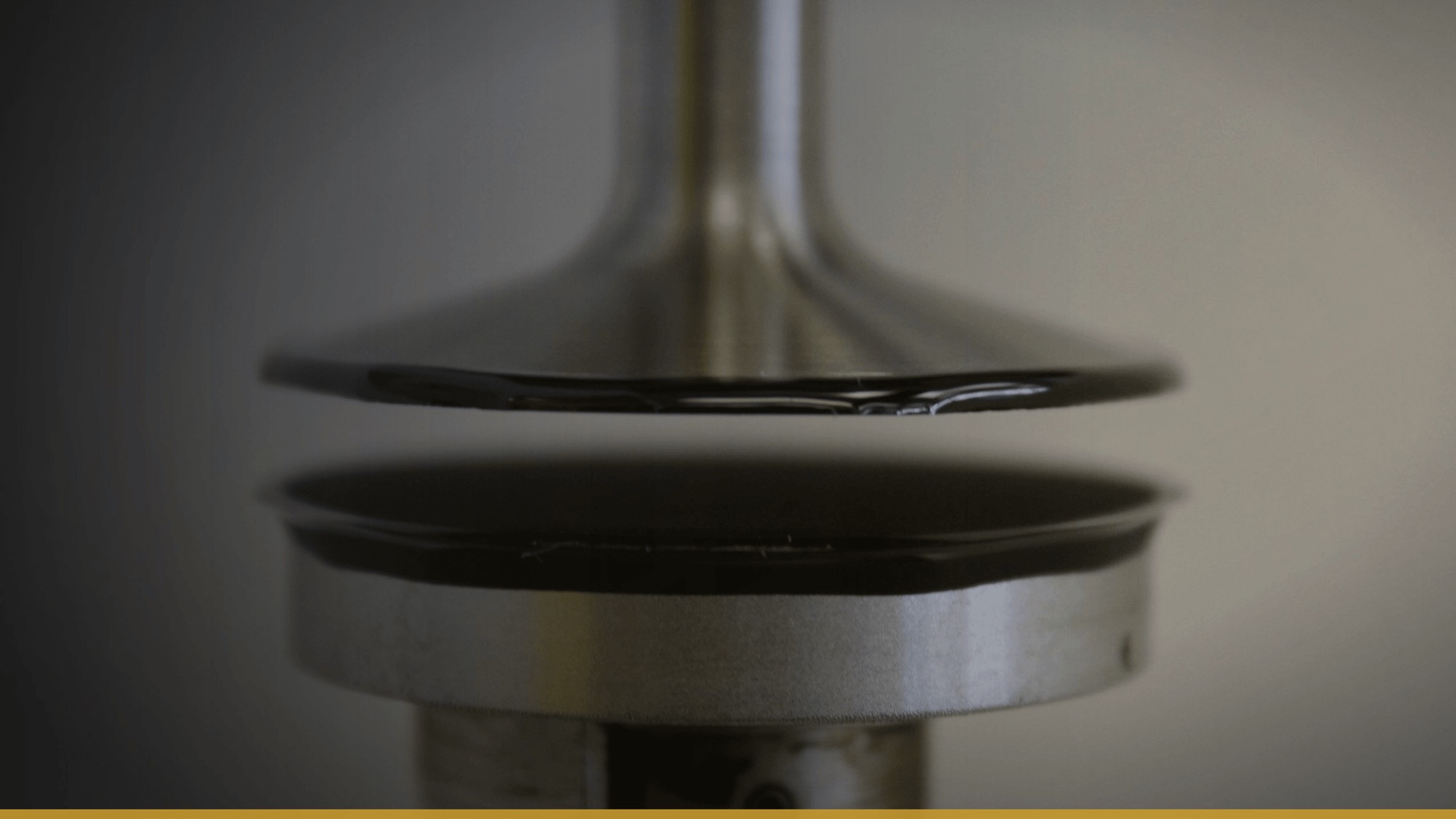
Read δ at the fixed point |G*| = 8967 kPa — a defined location in Black space, not a shifting one.
Named the “Pavel Kriz Phase Angle, δPK” in a 2026 MassDOT webinar, and cited in a peer-reviewed Transportation Research Record paper (2026, with G. Rowe) — an outside body citing the parameter by name.
Pattern 01 · the crude-slate call
When the feedstock shifts and the product window has to hold.
More value from assets already in the ground — without a single new tank.

Pattern 02 · the specification you defend
When a claim has to survive an agency, a customer, and a standards committee.
“A specification is only as strong as the question it can answer honestly.”
The phase-angle safeguard above is what that looks like when it works — a reading that survived the room where the standard is decided.
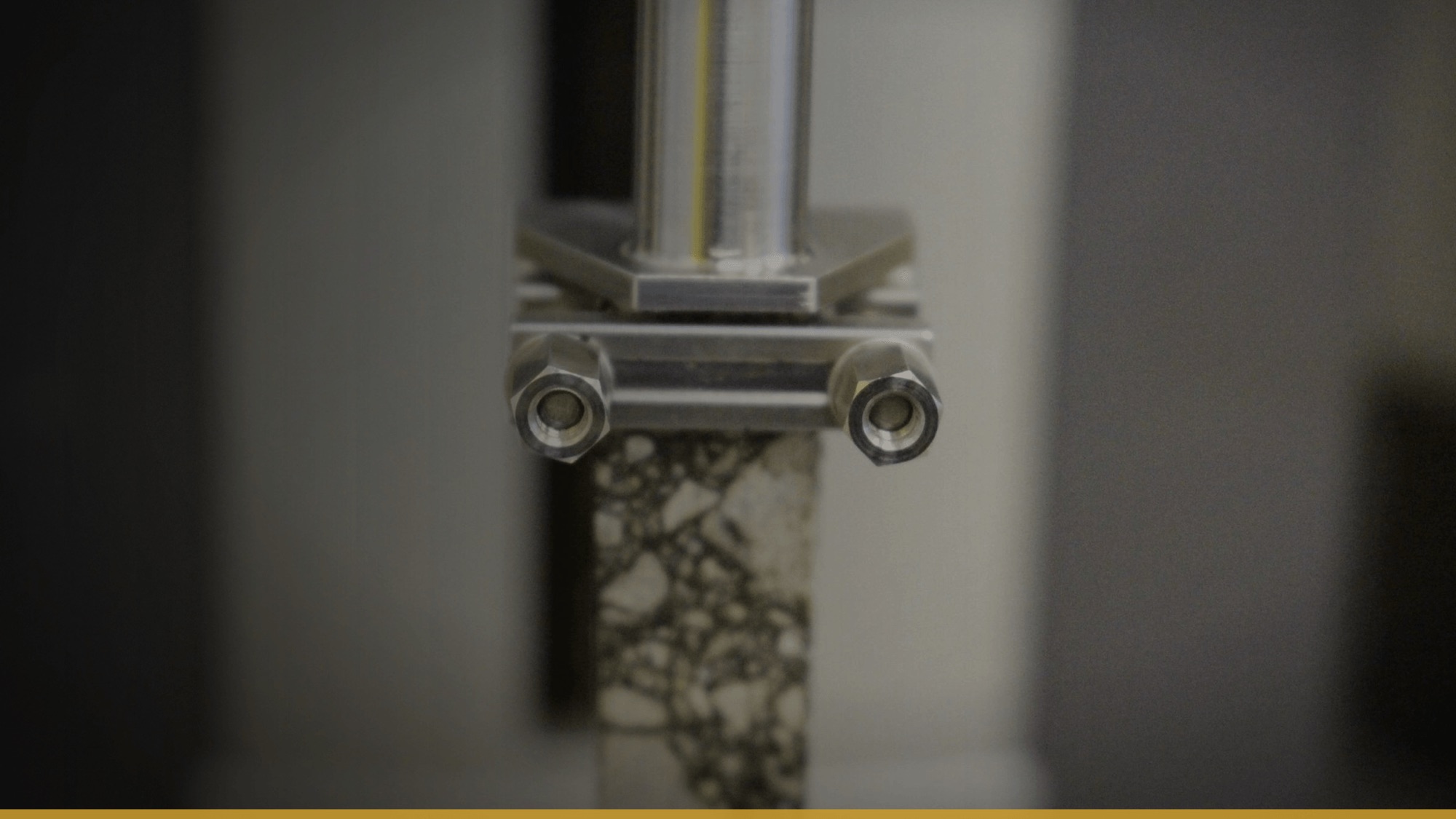
Pattern 03 · making the data decide
When you have the data and still cannot make the call.
Not a blame system. A precision system.
Pattern 04 · the sustainability claim
When recycling and LCA claims have to be greener and true.
“Honest boundaries age better than optimistic ones.”

Pattern 05 · leaving capability behind
When the goal is a team that decides well, not one more report.
The recommendation leaves. The judgment stays.

start here
See a pattern that fits your call?
Start with the objective, the opportunity, the data you have, and the timeline. Confidential detail can wait until scope and confidentiality are agreed.
Patterns are sanitized and public-safe — no client names, logos, or confidential detail. Credential and public-record claims trace to the About page and the published record.